There are all kinds of magic in fiction that countless people have broken down over the years. Fantasy is one of the most popular genres and with infinite variety in the magic that it can be easy to get lost in the history of it. If you consider mythological practices in the mix, it could be that the first fictions we ever spun are the kind that involve magic systems. Superstition, spell casting, and the worship of gods (local or otherwise) all sound like something out of a fantasy novel. Or, one might say, fantasy novels all sound like something people have done in the past or still do now, just taken to greater heights.
Largely they fall into two types, hard and soft magic systems. Hard magic systems have strict rules and limitations that anybody who employs the magic must follow in order to use it. The most popular example I’m aware of is probably ‘Avatar: The Last Airbender.’ Other examples might include Brent Weeks’ Lightbringer Series, where magicians called drafter can absorb light and turn it into different materials, with each color having unique properties and functions. This kind of system is usually more niche for obvious reasons.
Soft systems don’t have as many rules. In ‘The Lord of the Rings’ Gandalf can do essentially whatever is required of him at the time. Maybe some rules are at play behind the scenes, but the reader is never made aware of them. Some magic systems float in between. In the Harry Potter series for example, witches and wizards can use specific spells to accomplish specific goals, and each spell does something specific. On the other hand, the variety of magic is so broad that any character can whip out any spell they need at pretty much any time. The system pretends to have hard and fast rules, but ultimately the characters don’t really have to adhere to any rules themselves.
It’s important to know that either kind can make for a compelling story, and neither is necessarily better than the other. Knowing which will suit your story best comes down to the story you want to tell.
But to the real meat of the issue: how do people even come up with all this crap? Ultimately I think the answer lies in human nature. We see patterns in everything, whether they truly exist or not. Create a nice looking sigil once, something good happens the next day, and suddenly you’re a mage. Curse the gods when you stub your toe, have lighting hit your house, and suddenly you’re a true believer. The specifics evolve over time. I can tell you from personal experience, inventing this kind of thing doesn’t just come from nothing. Sometimes magic is based in science, or what we understand to be the science of the natural world. Sometimes it comes from fairy tales, or superstitions. Sometimes it can draw influence from religion or ‘real’ magic systems like Solomonic magic, which is full of grimoires, demons, magic sigils, talismans, and all the other buzz words you can think of. Sometimes (and this is the most peculiar source) you’ll just have a wave of inspiration that seems to come from nowhere. Likely there’s some hidden influence, but it’ll feel like the magic generates itself. This feeling is probably pretty close to how people came to believe that divine influences were granting them the secrets of the mystical during their studies. Personally I like to draw on science and the real stuff as much as possible. There’s thousands of years of creative endeavor behind these two very human practices that can lend a lot to your own stories. The original parts you come up with will make it unique, and the stuff you take will give it depth. I think the best way to make a story about magic compelling is to make the magic feel as close to reality as it can. Make it so the reader can almost just barely see it being true.
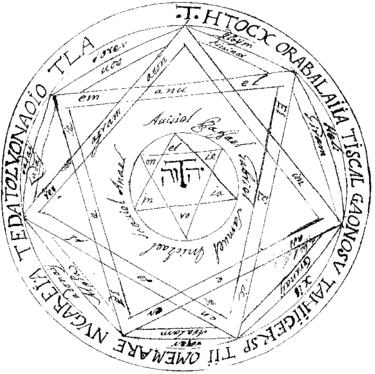
By having you look at that, I’ve just cursed your entire lineage.
Kidding of course. Or am I? This is called a pentacle, which is a kind of evocation in Solomonic Magic. And yes, that’s the King Solomon from the Bible. In other words, talismans like this one (any object ascribed with religious or magic powers) is supposed to call upon some god, spirit, demon, or other supernatural being to do something for whoever made it. This one in particular was labeled as ‘the great pentacle’ from a 17th century Italian manuscript. I have no idea what it is supposed to do … though I heard from my friend’s, uncle’s, cousin’s girlfriend that the guy who wrote the manuscript died a horrible death.
Here are a bunch of other pentacles from a magic grimoire called ‘The Key of Solomon the King,’ written by the man himself apparently.
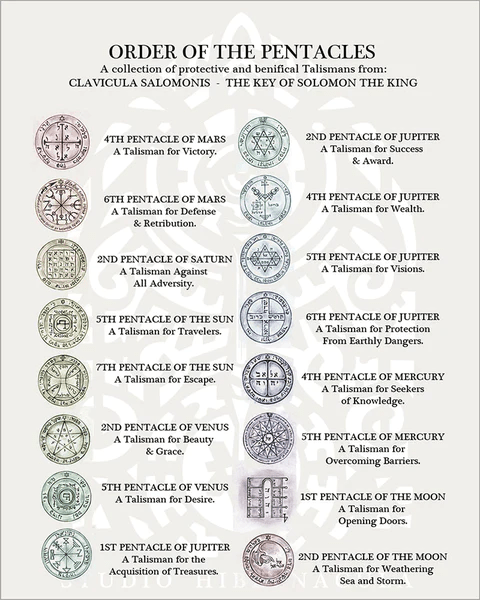
https://studiohibernacula.com/blogs/lore/history-of-the-pentacles
Tell me that doesn’t look like something out of an overly-thought-out fantasy novel. And as you can probably tell from the names, these draw on what we knew as natural truths back then. They invoke the planets to achieve their magic. In other words, Solomon took what he knew about real astronomy, that there are planets in the sky that we share the universe with, and then ascribed powers to these planets based on the gods who they belong to. In some ways, you might call this a hard magic system based on the worship of aliens.
If you’re looking for some soft magic inspiration, look no further than the religions we still follow today. Many of them have what I’m going to call (somewhat shamefully) ‘soft magic vibes’ where praying to an all powerful deity will grant you what you want, usually with the stipulation that you need to be a good person. There are other religions that make some separation between their gods and rules, and the concepts that they represent, but nonetheless have soft magic vibes due to their all-encompassing nature. Some of them are pretty psychedelic too. For example, you’ve probably seen countless scenes where a monk or a bunch of monks all chant the word ‘OM’ while meditating, right? This is a real word that people chant. Om is considered to be the sacred sound of the universe, the sound that encompasses all things. I’m pretty sure this is related to the Hindu concept of Brahman, which is quite the concept to wrap your head around. Here is the symbol for Om, the essence of Brahman, or the ultimate reality.

It’s kind of weird how close the concept of Brahman is to our current understanding of the universe. Based on observations of the stars around us, we know that they’re hurtling away at great speed. Moreover, they’re accelerating, all at the same rate. The universe is expanding before our very eyes. Meanwhile the Sanskrit root word for Brahman is bṛh which means to swell, expand, grow, or enlarge … Just to be clear, this is one of, if not the oldest religion on Earth, defining the ultimate reality, literally, as an infinite expansion.
If that didn’t make you go
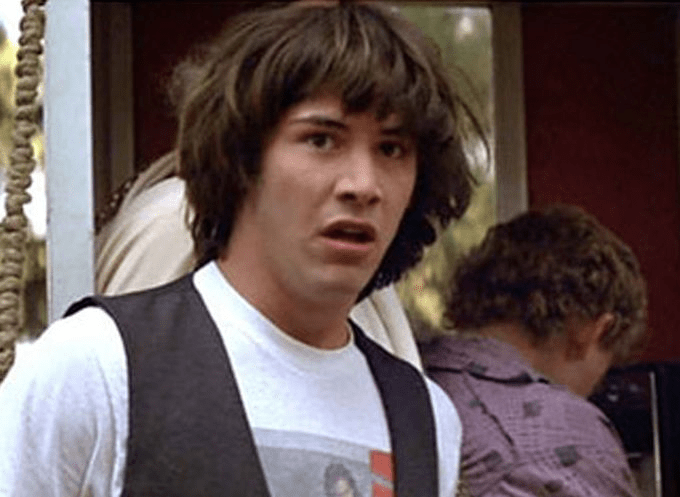
then I guess you’re just completely immune to spiritual enlightenment.
So, I guess this got a little ramble-y, and probably didn’t cover the specific ways to come up with this stuff, but I hope it gives you some ideas about how to get inspired and write your own magic into existence. I didn’t get into comic books, superheroes, or any of our modern day ‘gods’ that we throw up on huge screens to gather en masse to see, but maybe that can be saved for another post.
Thank you for reading,
Benjamin Hawley
 Dangerous Day Job