There’s a movie I’ve been thinking about for a long time called ‘Whiplash.’ If you haven’t seen it, I highly recommend it. I’m going to spoil it in this post since it’s a pretty popular movie already, just warning you. The plot goes something like this:
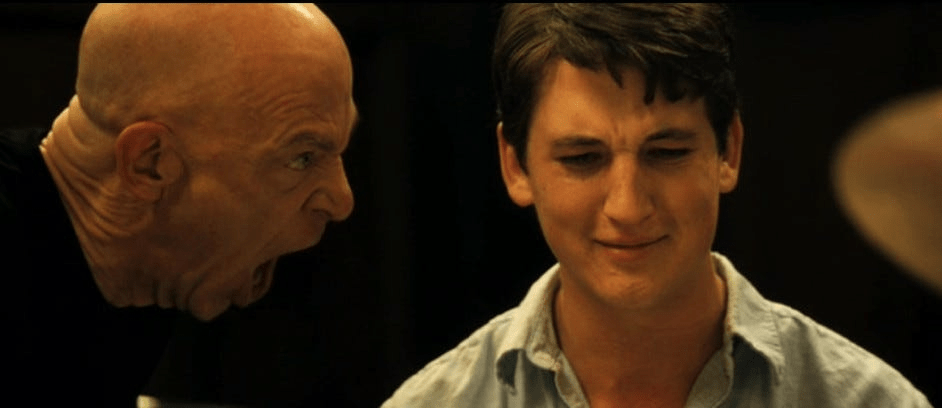
Andrew Neiman is an aspiring drummer at an elite music conservatory. He wants nothing less than to be the very best. He catches the attention of Terrance Fletcher, an instructor infamous for his brutal and antagonistic teaching style, who inducts Andrew into the top jazz ensemble at the conservatory. Fletcher tries to make the perfect band by emotionally manipulating his students, creating a high pressure environment where even the slightest mistake is met with a verbal beatdown. It’s tough, but Andrew manages to thrive under high pressure.
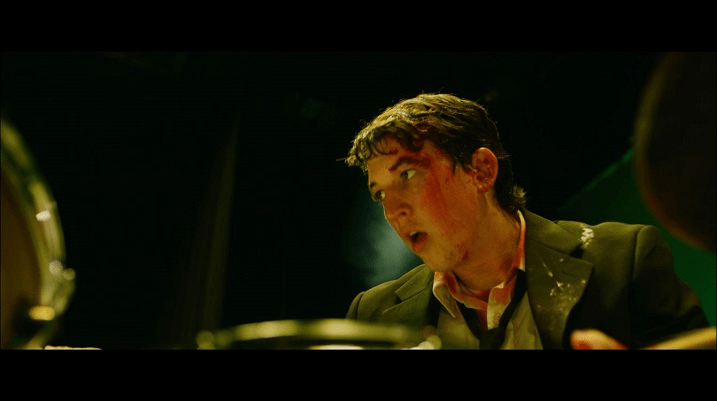
Andrew maneuvers his way to first seat drummer, but eventually makes his own fatal mistake. After forgetting his drumsticks before an important performance, he rushes to find them, runs a stop sign, and gets into a bad car crash. Concussed and bleeding, he tries to force out a performance anyway, refusing medical attention to try to meet Fletcher’s impossible standards on stage. He’s kicked off before even a single song is finished, and then physically assaults Fletcher for rejecting him.
Weeks later, Andrew has healed physically, but is still reeling from his expulsion from the conservatory. An attorney convinces him that several victims of Fletcher’s abuse could come together to have him removed as instructor, and he goes through with his testimony, albeit anonymously. Fletcher is kicked out of the conservatory, and the story seems to be over.
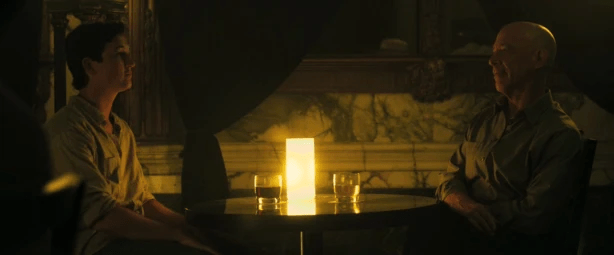
By chance, Andrew comes across Fletcher’s band playing in a jazz club. Curious to hear his old instructor play, he goes inside, and hears him perform for the first time. Fletcher catches up with Andrew and explains he was removed from the conservatory for his abusive practices, but defends the teaching style, saying that any true musician would never be put off by having the best drawn out of them by force. He invites Andrew to play with a new jazz band he’s getting together, and convinces him that their past altercation is water under the bridge. He also reveals he’s always wanted to instruct a great musician but never has been able to, tantalizing Andrew with visions of grandeur.
Andrew eventually agrees to join the band sometime later, and becomes their top drummer immediately. At a fateful performance however, Fletcher reveals that he knew it was Andrew who testified to have him removed from the conservatory. Before he can react, the curtain is drawn, the band starts to play, but its a song Andrew has never heard or played, and nobody will share the sheet music. He does the musical equivalent of a faceplant in front of an elite audience scouting for new talent, caught in Fletcher’s elaborate revenge scheme.
After a heart to heart with his father, he immediately returns to the stage, takes over control from Fletcher by playing out of turn, and forces him to capitulate by convincing other band members to play along. Fletcher is forced on board, and then gets into the music. Their hatred for each other fades away, and Fletcher ends up creating an epic performance with Andrew. At the end, Fletcher has his great musician, and Andrew is finally the best.
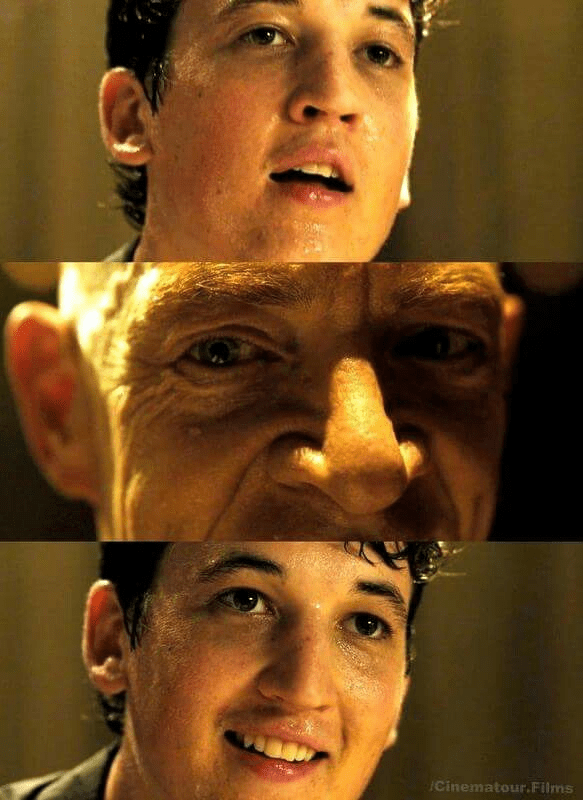
I’ve been thinking about this movie for so long because it’s the only movie I can really think of where the hero joins the villain in the end and it works out for both of them. Fletcher is a monstrous person, so obsessed with what he views a musical perfection that he pushes his students to violence and even suicide, as is revealed by the attorney. Andrew still goes back to him because he seems to share that desire for musical perfection, and sees Fletcher as a path towards what he wants. Fletcher is impressed time and time again by the fact that Andrew isn’t turned away by his antagonistic nature. Even when he tries to nuke his career, Andrew still returns and blows him away, which is exactly the type of person he’s been looking for all along. By abusing all of his students, he essentially selects for only those who will thrive no matter what. Rather than building up a good musician by actually helping them, he pushes them to be better by manipulating them into a spiteful drive to achieve. He’s clearly the bad guy, but at the end of the story he gets exactly what he wants, and ultimately so does Andrew.
I’m not sure how I feel about this ending, which is why I can’t stop thinking about it. Is it a good ending? The hero gets what he’s always wanted, but I can’t help but feel it’s so tainted by Fletcher’s evil that it will be a short lived career anyway. Fletcher certainly doesn’t deserve to have Andrew playing for him from a moral perspective, but the question remains, would Andrew play as well as he does without Fletcher to push him? This story asks ‘do the ends justify the means?’ in a very interesting way, and forces you to answer for yourself by having this ending. If the story ended badly for either Andrew or Fletcher, it would be clear that the ends do not justify the means and there would be no reason to continue thinking about it. In a way, it’s a terrible ending, where you know the hero will continue to suffer under Fletcher’s tutelage, always striving to get his approval that may never come again. On the other hand, it’s exactly what he needs to be the best. It encapsulates the themes present and makes for a morally questionable, but satisfying conclusion. I have a love/hate relationship with the movie that reflects Andrew and Fletcher’s relationship so well I can’t help but feel it is ultimately the perfect ending for the movie.
What do you think about the end? Is it worth it for Andrew to side with Fletcher to get what he wants? Is he wrong for working with an evil person like Fletcher?
Thank you for reading,
Benjamin Hawley
 Dangerous Day Job